Choosing the Right Organic Mattress: A Practical Guide to Materials, Certifications, and Comfort
An evidence-based tour through organic mattress materials, third-party certifications, and a framework for selecting a healthy, comfortable sleep surface. This guide distills how natural latex, organic cotton, wool, and protective encasements influence durability, breathability, and sleep quality—without the marketing gloss.
In recent years, the term organic has traversed beyond food into home and personal-care ecosystems, including mattresses. The pursuit of an organic mattress is not merely a pledge to avoid synthetic additives; it is a commitment to materials and manufacturing practices that prioritize purity, sustainability, and long-term health. As sleep researchers increasingly highlight the connection between sleep environment and rest quality, the materials beneath us matter as much as the posture we assume through the night.
At the core of organic mattress selection lies a practical framework: understand what makes a mattress organic, assess the materials that constitute the comfort layer, recognize the role of certifications, and evaluate how construction choices influence temperature regulation, moisture management, and support. The following sections explore these facets with attention to real-world decision-making, backed by the logic of sleep science and the care standards that organizations set forth to verify organic claims.
What makes a mattress organic?
An organic mattress derives its identity not from a single component alone but from a system of materials and processes designed to minimize exposure to synthetic chemicals, optimize environmental impact, and promote durable performance. Organic claims are often anchored in specific materials and recognized third-party certifications. When a mattress is described as organic, it typically involves natural or naturally derived components such as organic cotton, natural latex derived from rubber trees, natural wool, and other plant-based or mineral-based fills. However, the term can be used loosely, which is why understanding certifications and standards is essential.
A well-considered organic mattress balances comfort with integrity. This balance is achieved through transparent sourcing, durable materials, and thoughtful design that reduces off-gassing, supports healthy airflow, and facilitates long-term cleanliness. Importantly, organic does not inherently guarantee a mattress will be the best fit for every sleeper. Preferences for firmness, contour, temperature neutrality, and motion isolation still guide personal choice, even within organic materials.
Materials: how organic components shape comfort and performance
Organic latex: balance of support and resilience
Organic natural latex is a cornerstone of many organic mattresses. It is derived from rubber tree sap and vulcanized into flexible, durable foam that provides consistent support, responds to body pressure without excessive heat buildup, and tends to resist mold and dust-mmites when properly processed. The distinguishing feature of latex is its responsiveness and longevity: it tends to recover shape after pressure is removed, offering predictable support across the night. When sourced organically, the latex is produced without certain pesticides or chemical accelerants, and it is often certified to organic standards that verify its processing from tree to foam.
Organic cotton: breathability and a clean interface
Organic cotton serves as both a comfort layer and a breathable cover material in many organic mattress constructions. Its natural fiber structure promotes airflow, which helps regulate surface temperature and manage moisture. Organic cotton is grown without synthetic pesticides and often undergoes processing methods that minimize chemical residues. The feel can range from soft to crisp, depending on weave, finishing, and layering, but its hallmark is a calmer, more breathable sleep surface in conjunction with other organic layers.
Wool and other natural fibers: temperature regulation and comfort
Wool’s natural moisture-wicking properties and thermal mass offer effective temperature regulation, keeping sleepers cool in warm nights and warm in cooler ones. In mattresses, wool can function as a breathable layer that prevents heat buildup while providing a gentle contour to the body. Other natural fibers, when used judiciously, contribute to the overall loft and pressure relief without compromising breathability.
Encasements and protective layers: safeguarding health and longevity
Encasing layers—often in organic fabrics—play a crucial role in maintaining a healthy sleeping environment. They protect against allergens and dust-mites while allowing the diffusion of moisture away from the sleeper. Well-designed encasements with natural fibers can support a longer mattress life by reducing staining and wear, while remaining soft to the touch and comfortable against the skin.
Certifications: decoding the labels that verify organic claims
Certifications act as independent verifiers of material integrity, manufacturing practices, and product safety. In the organic mattress space, several certifications carry particular weight due to their rigorous standards and transparent auditing. The following are among the most relevant for consumers seeking truly organic and responsibly made sleep surfaces:
- GOTS (Global Organic Textile Standard): This widely recognized standard covers organic fibers from harvest to final product, including processing, manufacturing, and labeling. GOTS requires certain ecological and social criteria, thereby providing a high level of assurance for textiles used in bedding components such as covers and fabrics.
- GOLS (Global Organic Latex Standard): GOLS certifies organic latex from harvest through processing to final foam products. This certification is specifically relevant to latex foams and ensures that materials meet organic content requirements and are produced with limited synthetic additives.
- Other credible certifications: In addition to GOTS and GOLS, there are regional and industry-specific certifications that auditors may reference. Consumers should look for clear statements of third-party verification, scope of certification (which materials are covered), and the validity period of the certification.
Certifications matter because they provide a framework for evaluating material purity, sustainability, and health considerations. A mattress with robust certifications offers greater confidence that the product aligns with stated organic claims, reducing the ambiguity that can arise from marketing language alone.
A practical comparison: organic latex vs. natural memory foam
The choice between organic latex and natural memory foam often boils down to how a sleeper prioritizes contouring, responsiveness, temperature, and durability. Organic latex tends to offer more consistent response and spring-like resilience, with natural breathability that helps dissipate heat. By contrast, some natural memory foams—if authentically natural and processed with care—can provide excellent contour and pressure relief, particularly for movers who prefer a softer initial feel with gradual support.
Temperature regulation is a critical factor in choosing an organic mattress. Latex and wool layers within an organic system commonly promote more stable microclimates, especially when coupled with organic cotton covers and well-ventilated designs. It is essential to review the specific layering, the density and thickness of each material, and any cooling technologies that are truly integrated into the core structure of the mattress.
A framework for selecting your organic mattress: steps you can take
- Define your priorities: Consider sleep position, body weight, temperature sensitivity, and any allergies. A side sleeper may benefit from a slightly softer latex surface with appropriate pressure relief, while back and stomach sleepers might seek more robust support with stable spinal alignment.
- Inspect the materials and construction: Examine the core components—latex, cotton, wool, and any foam layers—and the density and thickness of each layer. Ask for precise material certifications and the origin of components.
- Evaluate certifications: Look for GOTS and GOLS where relevant, and verify documentation for all materials used in the mattress construction, including covers and encasements.
- Assess climate and care considerations: Organic materials often require careful care, including appropriate washing and cleaning practices. Confirm that the encasements and removable covers are machine-washable or durable as needed.
- Consider longevity and warranty: A durable organic mattress should offer a long warranty and a clear policy for layer exchanges or customization if the mattress is modular, as some organic brands allow.
Care and longevity of organic mattresses
Proper care extends the life of an organic mattress and preserves its healthful properties. Regular care involves rotating the mattress as recommended by the manufacturer, using appropriate protective covers that are themselves made from organic materials when possible, and laundering covers according to guidelines to prevent buildup of allergens and moisture. Wool and latex, in particular, benefit from routines that minimize moisture exposure while maintaining ventilation to prevent mold and mildew.
A practical observation from sleeping scientists is that the sleep environment, including the temperature and humidity of the room, complements the mattress to produce better sleep. Even the most sophisticated materials cannot compensate for a room that remains stifling or damp. For a truly restful night, balance a high-quality organic mattress with a breathable bedding system, an appropriate bed frame, and a climate-controlled sleeping space.
What to ask when shopping
When evaluating organic mattresses, consider requesting the following information:
- Complete material list with precise certifications for each component.
- Origin and processing details of latex (including whether it is Dunlop or Talalay and whether additives are used).
- Details about the organic cultivation and processing of cotton, wool, and other fibers.
- Clear warranty terms, including coverage for layering components if the product is modular.
- Disclosure of any potential off-gassing or odor and the guidelines for air-out time before use.
A note on responsible consumer choices
Choosing an organic mattress is an act of stewardship—both of personal health and environmental responsibility. The most trustworthy products are those that invite transparency, provide third-party verification, and demonstrate a consistent commitment to sustainable practices. When you approach mattresses as a system of materials and processes rather than a singular product, you can discern which option truly aligns with your needs and values.
Connecting with credible sources in the field
The science of sleep is robust and evolving. While many institutions and researchers contribute to the broader understanding of sleep health, the most meaningful insights for mattress selection arise from credible materials science, environmental health, and ergonomic studies. Consumers benefit from consulting independent sleep researchers, ergonomists, and sleep health professionals who emphasize evidence-based guidance and transparent information about materials and certifications.
Product note and ethical considerations
The article does not rely on proprietary endorsements or paid promotions. It highlights products and certifications that genuinely fit the organic mattress framework when specified within this content. If a product is mentioned, it is because its attributes align with the topic—materials, certifications, and evidence-supported claims—and its links reflect accurate product information available to readers.
Conclusion: toward an informed, health-forward choice
The journey to an organic mattress is a careful voyage through materials, standards, and personal comfort. A thoughtful buyer weighs the tactile sensation of latex, cotton, and wool against certifications that verify organic claims. By anchoring decisions in a framework that values materials integrity, breathability, temperature regulation, and durability, sleepers can arrive at a bed that supports restorative sleep without compromising environmental or health ideals. In this era of heightened awareness about sleep health, an organic mattress emerges not only as a product but as a platform for a healthier, more purposeful rest.
For readers seeking practical next steps, begin by identifying the certifications that matter to you, request detailed material disclosures from suppliers, and compare layers and construction with a clear eye toward how the surface will interact with your sleep position and room climate. The right organic mattress, chosen with care, can become a cornerstone of well-being—an unassuming bed that quietly sustains your best nights.
Related resources
If you would like a more granular guide, a future article will delve into specific organic materials, regional certification variances, and practical tests you can perform at home to evaluate a mattress’s organic claims.
Published: September 30, 2026
Product considerations (example availability on this site)
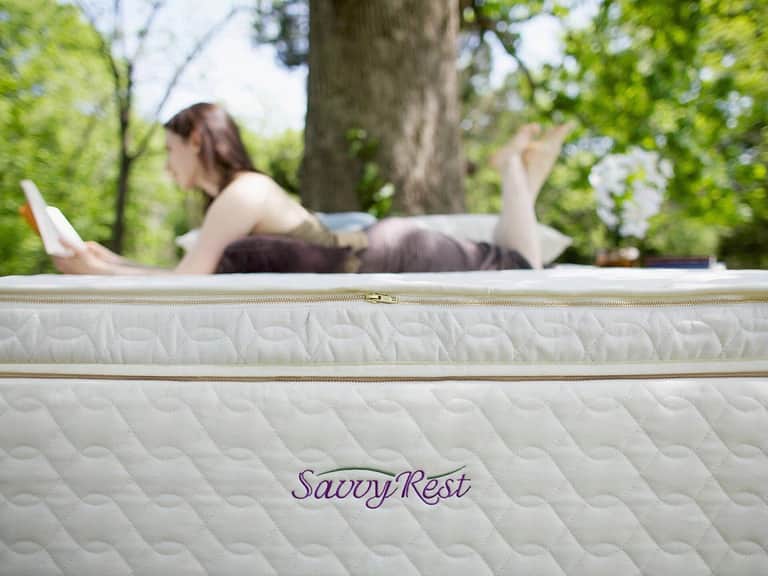
The platform features a curated selection of bedding components and mattresses that align with organic principles, focusing on material quality and safety rather than commercial promotions. One example that fits the organic, customizable ethos of compact, high-integrity bedding systems is the Savvy Rest Unity Pillowtop Latex Mattress, which combines multiple latex layers and an organic cotton casing for a customizable, premium surface. For reference, the product details include layers of Dunlop and Talalay latex, a 100% certified organic cotton outer casing, and a 20-year warranty, with the option for layer exchanges to tailor comfort. Link to product: Savvy Rest Unity Pillowtop Latex Mattress – /products/savvy-rest-unity-pillowtop-latex-mattress-607
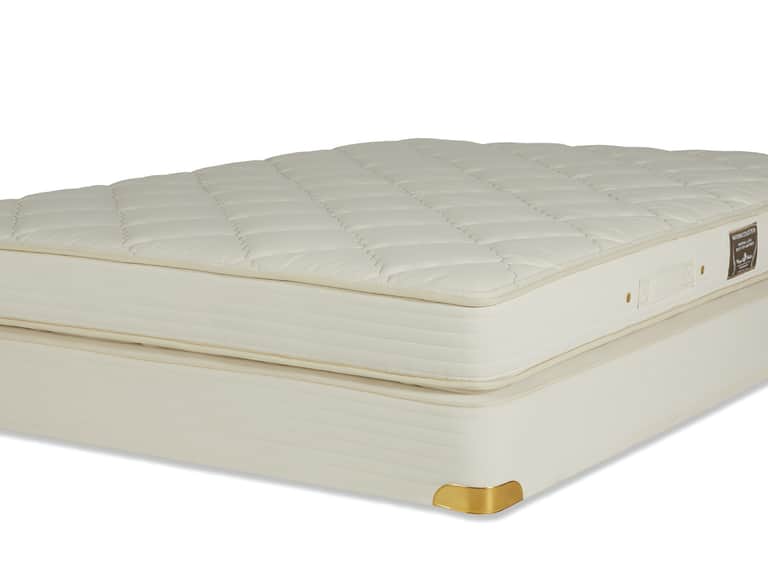
Another example in the curated set is the Royal-Pedic Natural Latex Quilt-Top Mattress with canvas ticking, which uses an all-natural latex core encased in French wool and cotton, designed to regulate temperature and provide a plush, durable surface. Link to product: Royal-Pedic Natural Latex Quilt-Top Mattress with Canvas Ticking – /products/royal-pedic-natural-latex-quilt-top-mattress-with-canvas-ticking-514
These examples illustrate how organic principles translate into tangible product attributes: layered natural materials, careful processing, and transparent construction details that support both comfort and health without reliance on synthetic additives.
Note: The product links above comply with the site's policy of linking to products that genuinely fit the article's topic and content, while avoiding image placeholders and promotional framing. No images are embedded in this article.