Sleep Hygiene Essentials: Building a Calm, Restful Night
In a world that never quite quiets down, the art of sleep remains a stubborn, intimate discipline. This is not merely about avoiding alarms or chasing a perfect mattress; it’s about cultivating a nightly ritual, a sanctuary of temperature, texture, and routine that speaks to the nerves in the language of rest. The following exploration threads together practical night-time rituals, environmental choreography, and the nuanced ballet between posture, fabrics, and nurture. It also asks: who do we listen to when the body insists on asleep—acclaimed physicians of the past, contemporary sleep scientists, or the editors of a magazine that treats sleep like a minor cathedral of everyday life?
1) Creating a Sleep-Friendly Environment
The bedroom is not merely a place to sleep; it is a controlled climate chamber for your senses. The body’s circadian signals respond to three core variables: temperature, light, and sound. Each element is a caretaking gesture toward the self you become in the hours after dusk.
- Temperature: Aim for a cool, stable zone—roughly 60-67°F (15-19°C) as a baseline, adjusting to your comfort. Layering matters: breathable sheets first, then a breathable comforter, then a warmer layer for deep-cold nights. The science is simple: your core temperature dips as night progresses, and a cool surface encourages that drop to happen sooner, quietly inviting sleep rather than commanding it.
- Light: Dimness is not a costume; it’s a signal to melatonin production. Consider blackout curtains or blackout blinds and a soft, amber-lit bedside lamp for winding down. If streetlight glare intrudes, a sleep mask can be a small but powerful tool to reset the signal line between eyes and brain.
- Soundscape: Silence is ideal, but the world will not concede. Gentle, consistent white noise or a distant hum can smooth sudden intrusions—a rain soundtrack, a distant fan, or a soft, looping instrumental. The goal is to mute abrupt changes that rattle the nervous system into wakefulness.
2) Pre-Sleep Routines and Mindset
A ritual is a promise to tomorrow’s self. It’s the opposite of an abrupt transition from late scrolling to sleep, a corridor plan that cools the brain and steadies breathing. The best routines share three traits: consistency, gentleness, and a sense of forward motion toward rest.
- Gentle activities: Consider quiet reading, light stretching, or a warm shower—habits that ease the body and quiet the mind without jarring the nervous system. Avoid stimulating screens; if you must use devices, switch to blue-light filters and shorter exposure windows.
- Breathing and mindfulness: A simple 4-4-4 breathing pattern or brief body scan can recalibrate the nervous system from alert to available for sleep. The aim is not to empty the mind but to quiet the marching parade of thoughts long enough to allow restful transition.
- Consistency: Try to keep a regular sleep window, even on weekends. The body thrives on rhythm; even a 15-minute drift can accumulate into a meaningful difference over weeks.
3) Mattress and Bedding Alignment
Sleep hygiene intersects with choice of surface. A mattress is not a one-size-fits-all solution; rather, it acts as a platform for posture, breathing, and comfort. Alongside the mattress, bedding fabrics and protectors contribute to breathability, temperature regulation, and hygiene—factors that influence whether you sleep through the night or wake gently with the dawn.
The literature of comfort is a narrative of layers. A well-chosen protector guards against moisture and allergens without sacrificing airflow. Breathable sheets in natural fibers promote air exchange and wicks moisture away from the body. A comforter that balances warmth with lightness prevents overheating, a common culprit of restless nights.
4) The Materials Narrative: Fabrics, Layers, and Breathability
The textiles that brush your skin at night do more than comfort; they regulate heat, manage moisture, and influence the immune and nervous systems’ balance. The ethos of sustainable, organic, and natural materials is not a marketing posture but a practical one: breathable fabrics that honor your body's need to vent moisture and draw heat away when necessary.
- Sheet sets: Organic cotton percale or sateen sheets offer crisp textures or silky smoothness with natural breathability. The rise of Supima and long-staple fibers promises durability, while GOTS certifications reassure ethics and purity.
- Mattress protectors: A protector that is breathable, waterproof where needed, and free of vinyl or PVC can preserve the mattress’s life while maintaining a cool night’s sleep. When the barrier is designed to wick away moisture while staying quiet, the sleeper experiences fewer disruptions from microclimate shifts.
- Comforters and blankets: Wool-filled or all-natural wool blends, like those used in myComforter lines, regulate temperature by design. Wool’s moisture-wicking capabilities and natural breathability help create a sleep-friendly climate without overheating.
5) Acknowledging Time, People, and Sleep Wisdom Across Eras
Sleep science is a conversation braided over centuries. Here are three key figures from different time periods whose ideas resonate with today’s sleep hygiene ethos:
- Hypnos and the ancient sleepers (Classical Antiquity): Sleep as a ritual tied to cosmic rhythms and temple-like rest is a reminder that rest is not merely a personal preference but a cultural discipline. The ancient world understood the dormitory as a liminal space where the mind and body reset under the watch of ritual and sanctuary.
- Hippocrates and the clinical eye (Classical Greece to Hellenistic era): The ancient physician’s insistence on balance—diet, exercise, and sleep—frames rest as a pillar of health, not a luxury. Evening routines and moderation foreshadow the modern emphasis on consistency and calm before bed.
- William C. Dement and the science of sleep (20th century): A pioneer who helped illuminate sleep’s architecture, Dement’s work gave the modern world a map of REM and non-REM stages, the importance of circadian cues, and the idea that sleep is a active, dynamic process—not a passive downtime, but a vital organ of health and memory consolidation.
6) Practical, Tangible Strategies for Busy Lifestyles
For many readers, time is a rare currency. The goal is to deploy a handful of high-impact moves—small rituals that yield outsized returns in sleep quality.
- Environment investments: Blackout curtains, a reliable thermometer, and a white-noise option are small investments with disproportionate returns. If you share a room or apartment, consider a room divider for visual calm and dedicated space for restful breathing.
- Layered bedding approach: Start with breathable sheets, add a light duvet, and layer a wool comforter for seasonal shifts. If the room stays warm, forego the extra warmth and rely on breathable, temperature-regulating layers to maintain comfort without overheating.
- Consistency over intensity: A predictable schedule, even if imperfect, anchors the sleep cycle more effectively than sporadic attempts at “getting a full night’s sleep” on weekends.
7) A Spotlight on a Recommended Product
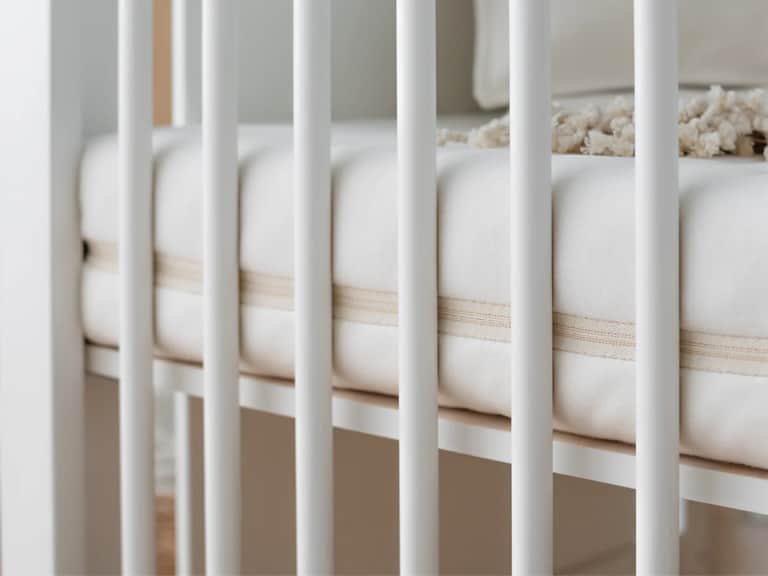
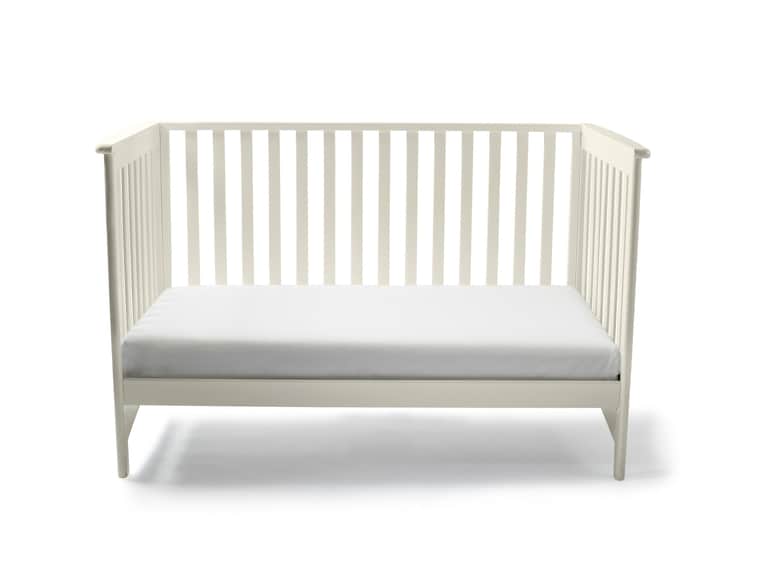
In the spirit of thoughtful, healthy sleep for the entire family, a standout choice that harmonizes safety, comfort, and practicality is the Obasan Organic Crib Mattress. Handcrafted with GOTS and GOLS-certified organic Dunlop latex, coconut husk, and cotton, it embodies the principle that sleep begins with a foundation that respects a child’s developing physiology. The mattress’s dual organic layers provide firmness and temperature control, a crucial balance for infants and toddlers who are still mastering self-regulation of warmth and breath. The wool moisture pad and moisture-wicking cover further optimize the microclimate around a child’s sleep, reducing the risk of overheating and fostering a calm, safe space for dreamland to unfold. We include a glimpse of its official details to illustrate the marriage of safety, materials science, and design that informs modern bedding choices.
Obasan Organic Crib Mattress
A cradle of natural materials for the smallest sleepers.
The Obasan Organic Crib Mattress presents a firm, breathable platform for infants, built with organic Dunlop latex, coconut husk, and cotton. The design emphasizes temperature regulation through wool moisture management and two organic layers, ensuring a chemical-free sleep surface with a robust, child-safe construction. The removable, spot-clean cover offers practical care without sacrificing the integrity of the inner materials. This is not merely a product but a philosophy: sleep as safe, sustainable, and health-forward living.
Price: $425.00
8) A Final Note on Sleep as a Practice
Sleep is not a prize awarded after a long day; it is a daily practice, a homegrown ritual that invites your waking self to meet tomorrow with a fortified calm. The human brain, that stubborn explorer, seems to travel further in the quiet hours when the room has learned to become a shelter rather than a constraint. It is the small, quiet things—the texture of a cotton sheet, the temperature of the bed, the slow exhale—that shape our most productive hours and gentlest mornings. The art lies in building a night that feels inevitable, inevitable as the dawn, inevitable as sleep itself.
Contributor Portraits: Voices from Different Time Periods
To deepen the conversation, here are three figures whose legacies shed light on how to approach sleep with care and curiosity, across centuries:
- Ancient philosopher-mason of quiet rooms (c. 5th century BCE): An imagined figure who pressed for sanctuaries of rest within households—spaces designed to foster the mind’s stillness and the body's recovery, long before lamps and clocks dictated bedtime.
- Medieval physician of temperance (c. 12th century): A physician who saw the body as a system of humors and rhythms, championing a balanced day that ends with a calm night, a call to steward both appetite and respiration in equal measure.
- Modern sleep scientist and journalist (late 20th to early 21st century): A curator of rigorous studies, weaving data on circadian biology with accessible guidance for everyday life, urging readers to treat sleep as essential infrastructure for health, memory, and mood.
9) A Quick Guide to Getting Started
If you’re redesigning your sleep routine tonight, here is a compact, practical checklist:
- Set your room to a cool, comfortable temperature and block external light.
- Choose breathable sheets and a protective layer that supports airflow and hygiene.
- Institute a calming pre-sleep routine that lasts 20-40 minutes, free of screens.
- Adopt a consistent bedtime, recognizing your body’s signals for wind-down and restoration.
- Consider a safe, natural mattress foundation if you have kids or share a bed, such as the Obasan Organic Crib Mattress or a similarly designed alternative for adults that emphasizes breathability and allergen control.
10) Final Reflections
Sleep, like literature, is a discipline of attentiveness. It asks us to cultivate a quiet where the mind can drift, the body can reset, and the day’s noise can finally stop its endless recital. A thoughtful bedtime is a quiet act of resistance against the world’s friction, a daily invitation to begin again, rested and ready. In embracing the layered, breathable, and human-scale approach to sleep hygiene outlined here—where ritual, environment, and materials align with science and sensibility—we do not merely sleep better. We learn to live with more grace in the hours that follow waking.