Sleep Wellness Essentials: Crafting a Sleep-Optimization Routine for Busy Lives
A practical, chronicle-rich guide to building a sustainable sleep routine for modern life. From lighting and temperature to bedtime rituals and the mattresses we trust, this piece blends science, storytelling, and a dash of editorial wit to help you reclaim restorative sleep in a world that never stops.
A New York of Nightfall: The Sleep Wellness Imperative
In the essayistic spirit of the New Yorker, sleep is less a passive act and more a daily work of culture. It is where the body audits its own inventory, where daylight’s residual chatter dissolves into the quiet arithmetic of rest. The premise of this guide is simple: small, deliberate shifts can recalibrate a life that feels forever sprinting. Think of your bedroom as a microcosm of intention—an environment designed to cue melatonin rather than guilt-inducing doomscrolling.
We argue for a holistic approach that centers three themes: the sleep environment, bedtime routines, and quality boosters that sustain deeper rest. Each theme intersects with the practical realities of a busy schedule, offering actionable steps that feel surprisingly sustainable—habits you can keep even when the calendar bleats with meetings, deadlines, and family commitments.
1) Quick-start Sleep Environment: Lighting, Temperature, and Noise
The room you sleep in is less a stage and more a conductor. The right cues can coax your brain toward slumber with the same ease a conductor cues an orchestra toward a finale. The quick-start method involves three levers: light, temperature, and sound.
- Light: Dimming lights as the evening folds into dusk, and investing in warm-spectrum lamps or smart lights that mimic sunset can help synchronize your circadian rhythm. If you must work late, consider blue-light filters after 7 p.m. and keep the main screens out of the bedroom to preserve a sanctuary-like atmosphere.
- Temperature: The ideal sleep temperature tends to hover around 18°C (64°F) for many people. A breathable bedding system—think natural fibers that wick moisture and allow air flow—helps maintain that comfort without overheating. Temperature regulation is not a luxury; it’s a baseline for deep sleep.
- Noise: If you live in a bustling city, you might curate a white-noise or pink-noise environment. The goal isn’t silence, but a consistent acoustic backdrop that minimizes abrupt disturbances. White-noise machines, fans, or even a soft rainfall track can be dependable allies.
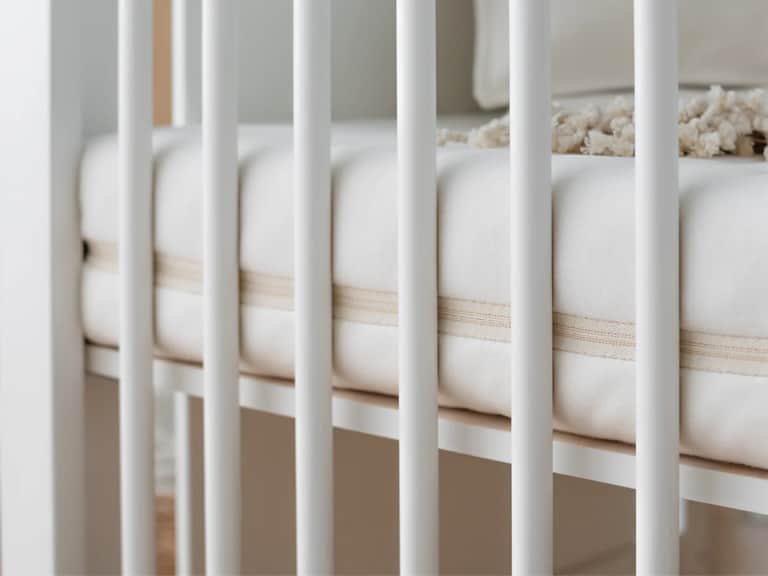
Within the realm of temperature and textiles, consider a carefully chosen mattress and protective layering. A product like Obasan Organic Crib Mattress (while designed for infants, its principles—certified organic materials, Dunlop latex, coconut husk, moisture-wicking layers—inform a premium approach to sleep foundations for adults as well) embodies the ethos of natural materials that prioritize breathability and health. While the exact model here is baby-focused, the underlying materials philosophy translates to adult products emphasizing non-toxic, temperature-regulating layers. See product details for Obasan below for reference imagery and material integrity.
2) Bedtime Routines that Fit a Busy Schedule: Wind-Down Rituals, Consistent Sleep-Wake Times
Rituals are the quiet architecture of a life disciplined by sleep. The most durable routines are those that adapt to your calendar rather than derail it. The core idea is “consistent wind-downs” that culminate in a predictable sleep onset window, even on demanding days.
Begin with a 30-minute pre-sleep ritual that signals your brain to switch gears. This can include light stretches, a warm beverage (non-caffeinated), journaling for three minutes to offload tomorrow’s tasks, and a screen-cutoff ritual that gradually disconnects from social feeds. The aim is to create a small, repeatable sequence that travels with you—whether you’re at home or traveling for work.
When caffeine cannot be avoided entirely, place a ceiling on caffeine intake after early afternoon. The science is simple: caffeine’s half-life can extend into the early evening, potentially blunting sleep onset. The practical corollary is to reserve caffeine for the first half of the day and lean on hydration, movement, and nutrition to support energy in the afternoon.
Sleep consistency still matters even when life turns unpredictable. Aiming for a consistent wake time anchors your schedule. If a night run late persists, allow a shorter morning routine that preserves consistency—sleep duration, when possible, is more forgiving than a skewed circadian clock.
3) Sleep Quality Boosters: Mattress Selection Basics, Pillow Ergonomics, and Weekly Habits
Quality sleep rests on a triad: a supportive mattress, ergonomic pillows, and daily micro-habits that reinforce restful patterns. Let us traverse a few essentials with the poise of a seasoned critic and the candor of a clinician.
MATTRESS BASICS: The bed you choose matters. A mattress should align with your sleep posture, body weight, and any specific health concerns. The selection should be less about mere firmness and more about contouring support that maintains spinal alignment. A platform that embraces organic, breathable components—like those found in nature-inspired bedding lines—promotes air circulation and temperature equilibrium, reducing night sweats and restless tossing.
PILLOW ERGONOMICS: The pillow is not a decorative accessory; it is a critical support system for the neck and head. Materials vary from memory foam to natural latex and organic cotton covers. The right loft ensures the spine remains in a straight line with the head when lying on the back or side. For side sleepers, a higher loft can keep the neck aligned with the spine; back sleepers may prefer something lower to mid-loft. Consider pillows with adjustable fill to personalize height and firmness, a hallmark of modern ergonomic options.
WEEKLY HABITS: A gentle weekly discipline compounds into nightly dividends. This includes a routine that organizes digital usage, a brief evening walk to unwind, and consistent laundry cycles for breathable, clean bedding. A weekly habit—like washing pillow protectors, mattress protectors, and duvet covers—reduces allergens and fosters a cleaner sleep environment. The overarching aim is to create a cycle of renewal that extends beyond the nightly regimen.
Key Figures Across Time: A Sleep Chronicle
To illuminate how sleep has been perceived and improved across eras, here are three pivotal individuals who, in different centuries, shaped our understanding of sleep, rest, and the built environment around it.
Hypnos and the Greek Sleepcape (Ancient Antiquity)
In the mythic quiet of ancient Greece, Hypnos—god of sleep—whispered the world into dreams. The Greeks did not conjure restorative sleep as a mere private ritual; it was a social technology, a boundary between wakefulness and dreams that structured the day’s labor, art, and philosophy. The architecture of sleep, in their world, was both ritual and environment: dimly lit, cool, and quiet spaces designed to coax the sleeper toward rest. The moral is as relevant today as it was then: a restful night is a cultural achievement, not simply a biological event.
Florence Nightingale and the Hygiene of Slumber (19th Century)
Jumping forward to the Victorian era, Florence Nightingale reframed the bed as a site of hygienic care. Her insistence on cleanliness, light, and air can be read as a proto-sleep hygiene manual: clean linens, fresh air, and a flat, unpolluted environment to support healing and rest. Nightingale’s ethos informs contemporary practice: breathable textiles, non-toxic materials, and an unwelcome guest named mold never allowed to linger in the sleeping chamber. Her legacy is the conviction that the environment itself can elevate health and, by extension, sleep quality.
Aldous Huxley and the Modern Bedroom (20th Century)
In the mid-20th century, Aldous Huxley’s imagined bedrooms—whether in dystopian or dystopian-adjacent fictions—functioned as laboratories for human behavior, including sleep. The modern bedroom emerged as a theater for self-regulation, with the bed serving as a platform for clarity, creativity, and even peril. The practical lesson from Huxley’s era is not fatalism but mindfulness: design spaces that encourage productive rest and provide a barrier against the late-night intrusions of work and screens. The modern sleep routine hinges on deliberate structure and a sanctuary-like environment—principles that echo through today’s sleep-wellness platforms.
Integrating a Product: A Notable Sleep Foundation
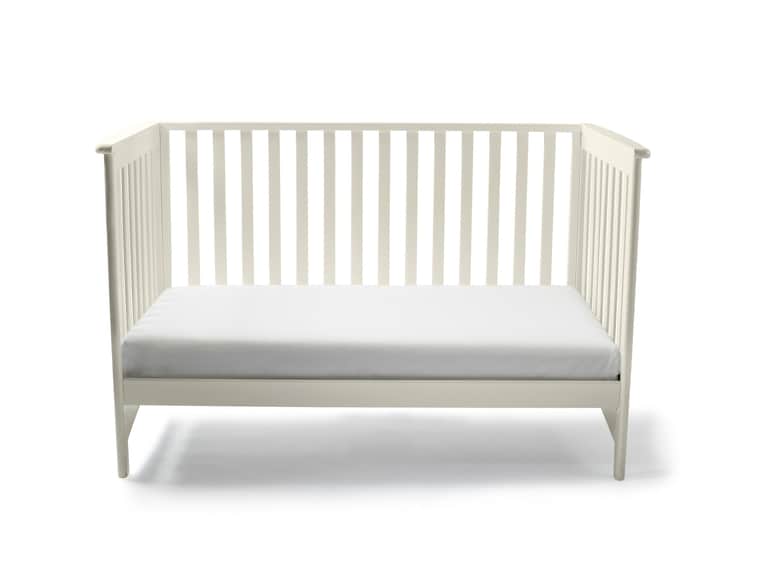
Among the wide array of bedding solutions that can anchor a sleep routine, a single, thoughtfully chosen product can set the tone for healthier sleep. Consider the Obasan Organic Crib Mattress as a conceptual anchor for premium materials, breathability, and non-toxic design. While intended for infants, the mattress embodies the attributes that matter for adult sleep: Dunlop latex for firm, supportive comfort; coconut husk for stability and eco-sustainability; moisture-wicking layers to regulate temperature; and a cover that is easy to clean. The Parthenon of sleep is not a single product but a philosophy: materials that respect the body, regulate temperature, and minimize off-gassing and chemical exposure. Obasan’s approach informs the broader selection process for adult mattresses and bedding, elevating the standard for a sleep-wellness platform that respects health, environment, and daily rhythms.
Product spotlight: Obasan Organic Crib Mattress (for reference and design ethos)
Images display is enabled for the chosen product.
Obasan Organic Crib Mattress details, for reference: It is crafted with organic Dunlop latex, coconut husk, and certified organic cotton. The cover is removable for spot cleaning, and it includes a breathable wool moisture pad for temperature regulation. This setup models a durable, non-toxic sleep foundation that can inform adult bedding purchases—prioritizing breathability, temperature control, and chemical safety. While the baby product is not directly used by adults, its design philosophy mirrors the essentials of high-quality adult sleep bases.
A Practical, Editorially Savvy Sleep Plan
If you’re seeking a concrete routine, here is a practical, week-by-week plan that aligns with the principles outlined above. It’s designed to be sustainable, not punitive—a patient, magazine-length approach to a healthier life through better sleep.
- Week 1: Environment reset. Replace harsh lighting with warm-spectrum lighting, audit noise levels, and introduce a breathable mattress layer (natural fiber and moisture-wicking materials). Establish a fixed bed time by 10 p.m. and a wake time by 6:30 a.m. for weekdays.
- Week 2: Mattress and pillow evaluation. Assess support and alignment; consider a pillow with adjustable loft or a latex-contoured option to align the cervical spine. Introduce a pillow protector and a mattress protector to reduce allergens and wear.
- Week 3: Evening ritual. Implement a 30-minute wind-down ritual: light stretching, journaling, and a screen cutoff at least 30 minutes before bed. Move any caffeine consumption earlier in the day.
- Week 4: Maintenance and habit-building. Create a simple weekly ritual for washing bedding and refreshing the sleep environment. Track sleep quality using a simple log to observe improvements in sleep efficiency and morning energy.
Despite life’s unpredictability, the objective remains consistent: minimize friction between intention and action. The sleep-wellness platform you cultivate should be a friendly, knowledgeable companion that helps you navigate the demands of modern life without sacrificing rest. This is how a district of quiet becomes a city of energy—one night at a time.
Images and Product References
When we discuss products, we refer to a curated set of items that exemplify the principles described above. The following selected product demonstrates how a thoughtful approach to materials, safety, and design can inform broader sleep wellness strategies. Please note that images are displayed for the product in question below.
Obasan Organic Crib Mattress
A model of natural materials, breathable structure, and non-toxic design that informs adult sleep foundations.
Price: 425.00
Naturepedic Organic Down Pillow
A pinnacle of luxury and clean materials, with responsibly sourced down and organic cotton cover.
Warranty: 1 year
Images for these products are displayed above, capturing the textures, layers, and careful design that embody sleep wellness. The goal is to showcase how practical, health-conscious materials translate into measurable improvements in sleep comfort and overall well-being.
Conclusion: A Sleep Routine Worth Keeping
The sleep-wellness platform you craft should be enduring and humane, as much about mental health and energy as about the physical apparatus of a bed. By prioritizing breathable materials, non-toxic construction, consistent routines, and a supportive bedtime environment, you lay the groundwork for a life that feels less like a sprint and more like a steady, restorative river. In a world of constant notifications and perpetual to-do lists, sleep becomes both a quiet rebellion and a sophisticated technology—one you can program with intention and wisdom.
Ultimately, the stories of Hypnos, Nightingale, and Huxley remind us that sleep is a historic and cultural project as much as it is a physiological one. Our era’s contribution is a practical, aesthetically grounded, health-forward approach to sleep that honors both the science of rest and the craft of comfortable living. By integrating curated products, mindful routines, and a compassionate, editorial voice, wwwmattress.com can become a trusted Sleep Wellness Platform—an invitation to readers to care for themselves with the same dedication that goes into choosing a mattress, a pillow, or a blanket.
This article aligns with the Sleep Wellness Essentials framework and highlights materials, routines, and ergonomic design to optimize nightly rest for busy lives.